1. Introduction
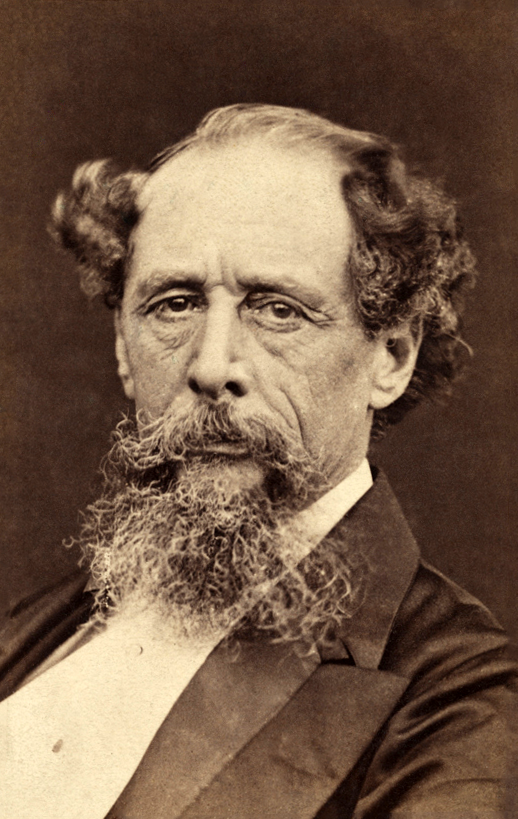
This section on Victorian authors will of course start off with Charles Dickens, since he is by many considered the greatest author of the Victorian era. Whether that is true is debatable, but he is undoubtedly the most famous. In fact, Dickens’s writing has heavily influenced how we perceive Victorians today. Mention the name of Dickens and you immediately get images of bizarre characters, foggy polluted cities, squalor, and misery. I also have personal reasons for starting with him; he is one of my favourite writers and has greatly contributed to my love of literature and also influenced my own writing.
I doubt there is anyone in the English-speaking world who hasn’t heard of Charles Dickens. Not everyone has read his works, but most of us have come across them in films, theatre plays, etc. For the few who haven’t, they’ll soon get the chance as new screen adaptations of his stories are being made all the time.
My first experience with Dickens was through adaptations. As a teenager, I went with my friends to see the musical Oliver at the local theatre. It was also in my teens that I saw the movie Great Expectations– a modern adaptation of the novel with Gwyneth Paltrow and Ethan Hawke in the main roles. Both the musical and the film made me fall in love with the characters.
Dickens’ characters have become part of the popular imagination and have taken on a meaning of their own. One example is Scrooge, who has become synonymous with the word miser.
Dickens’s last name has become part of the English vocabulary. The word Dickensian is used either to describe squalor or a person who is exaggeratedly disgusting or ridiculous.
Dickens is also one of the few authors who enjoyed fame during his lifetime. He was a real celebrity, whose public readings drew huge crowds.
There are various reasons for his everlasting popularity. One of them is his themes, which are incredibly versatile. He wrote about a broken society, described a fast-paced world that nobody knew where was heading, and raised questions about the role of community. All these questions are still relevant to us modern readers, and perhaps that is why he is so widely read even today.
2. Early Life and Influences
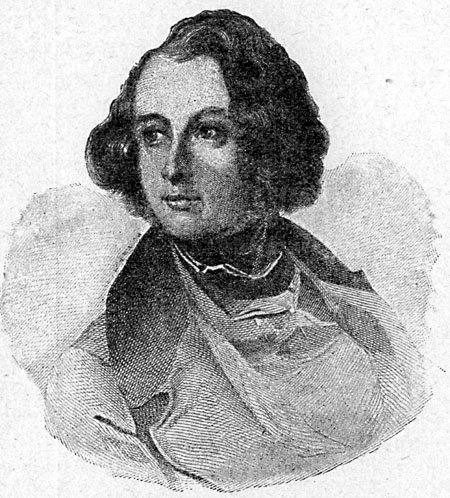
Charles Dickens. After Robert Seymour (d. 1836)
Little Charles was born on Portsea Island, Portsmouth, England, on 7th February 1812. He was the second son of John Dickens and Elizabeth Dickens (nee Barrow). His parents had six more children after him; eight in total. From 1817 to 1822, the family lived in Chatham, Kent, before moving to London. The years in Chatham were his happiest, perhaps because of what later happened to his family when they left for London. Chatham and its surroundings was a place he idealised and would often come back to in his writings.
Dickens’ family belonged to the middle-class and his father held a good position as a clerk in the navy pay office. The salary wasn’t bad, but he was an extravagant spender, and these spending habits soon led to trouble. The culmination came in 1824 when he was sent to the Marshalsea – a debtor’s prison.
With this, Dickens’ happy childhood and innocence were interrupted. Charles, who at the time was only twelve, was taken out of school and sent to work in a blacking factory. Although his period as a worker in the factory lasted only a year, it had a major impact on him. What he saw when visiting his father in the Marshalsea prison also affected him deeply, and would later appear in his novels. His feelings from this period as a lost, badly treated child is another frequent theme that he often returned to in his writing. As a result of this experience, he developed great compassion for the struggling classes, and his novels often address social injustice.
Luckily, his father’s time at the Marshalsea prison came to an end when he received an unexpected inheritance from his mother. This cleared John Dickens’s debts and made it possible for him to leave the prison. Charles returned to school and remained there until the age of 15, at which point he entered the workforce.
His first position was as a clerk in a solicitor’s office. One and a half years later, he took a job as a shorthand reporter in the lawcourts. From there he went on to become a newspaper and parliamentary reporter. It is from these times that his extensive knowledge of the court system stems, along with his contempt.
3. Rise to Fame
Soon his journalistic writings led to other types of narration. In 1833, he started writing essays and stories for magazines and newspapers. These were later collected into one volume and reprinted as Sketches by Boz in 1836. In the same year, he was hired to write funny stories to go with the engravings of the popular illustrator, Robert Seymour. Unfortunately, Seymour later committed suicide, and another illustrator, Phiz, was hired. These stories and engravings became the Pickwick Papers – a story published in a monthly format. Though it wasn’t an instant success, it didn’t take long before it took off.
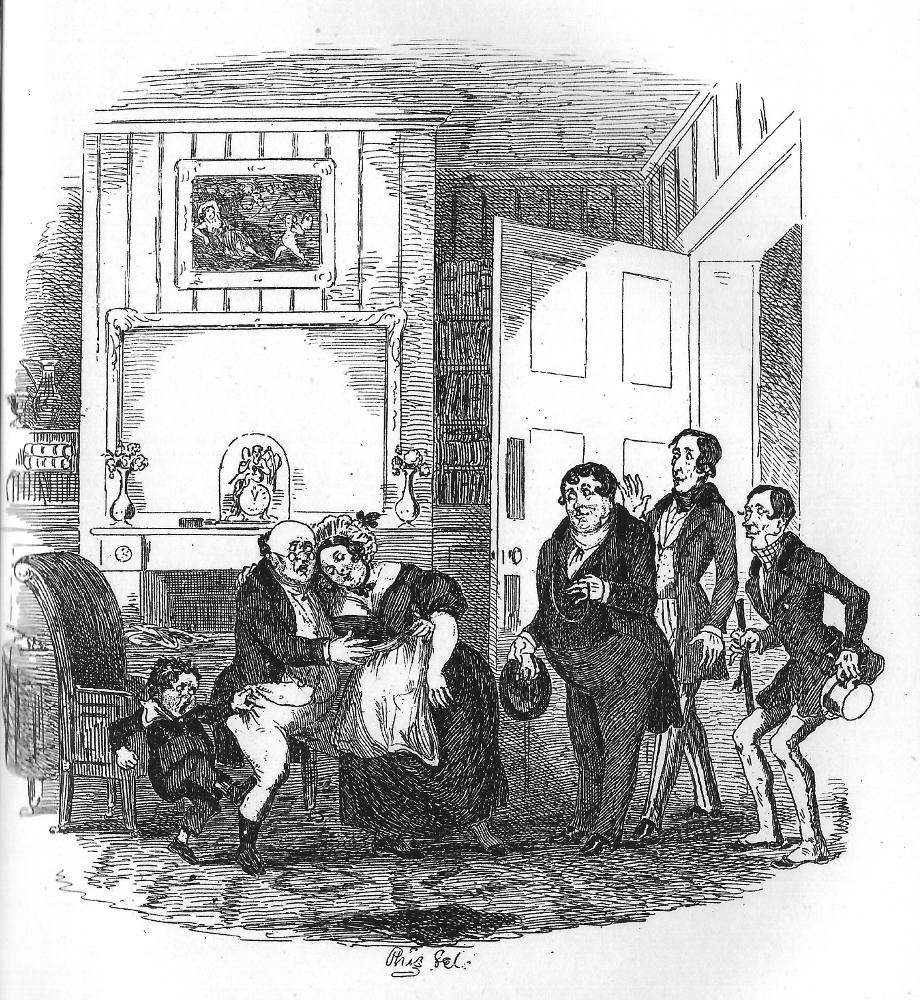
Mrs Bardell faints into the arms of Mr Pickwick. Illustration by Hablot Knight Browne (1815-1882)
The Pickwick Papers marked a before and after in Victorian history. The instalment format made it affordable to a greater number of people. At the same time, it ensured engagement. Readers got hooked on the plot and waited eagerly for the next instalment. This also meant that Dickens could see how the readers reacted and could then adjust the plot accordingly. The accompanying illustrations also played a role in making the story such a success.
The Pickwick Papers and the succeeding novels became immensely popular among the poor and illiterate, who started to pay to have the stories read to them. The ordinary classes loved Dickens because he gave life to people who lived on the edge of society.
Dickens was among the first to publish in instalments. This would later become the dominant way of publishing in Victorian times.
4. Major Works and Their Themes
Oliver Twist
In 1836, Dickens left his newspaper job to become editor of Bentley’s Miscellany. While working for this magazine, he wrote and published the novel Oliver Twist. It is one of his best-known stories, and has been adapted for theatre and films numerous times. Much like his other works, it was originally released in instalments, from February 1837 to April 1839.
While being a coming-of-age story, it also contains social criticism and satire. It follows the story of an orphan boy who is sent to a workhouse, where he is forced to live under appalling conditions. Oliver eventually escapes and flees to London, hoping for better times. There he meets a young boy called the Artful dodger who draws him into a life of criminality.
The detailed descriptions of poverty and crime in the novel shocked the Victorian public. It revealed what the cruel fate was for so many orphans. This was an eye-opener; now, people understood what it really meant to be poor.
A Christmas Carol
Another well-known book is A Christmas Carol – a novella. Dickens wrote this book in just a few weeks in 1843, and it is the first of five Christmas books. This was a time when people in Britain were dealing with new traditions coming in from abroad, e.g. Christmas trees, and, at the same time, they were assessing older Christmas traditions – trying to make some sense of it all.
The main character in the novel, Ebenezer Scrooge, gets a surprise visit from his former business partner, Jacob Marley, in the form of a ghost. He is also visited by the spirits of Christmas Past, Present and Yet to Come. The ghosts make him see what his cruelty and greed will lead to. As a result, he is transformed into a kind man. The main themes in the novel are poverty and the transformative power of Christmas.
Bleak House
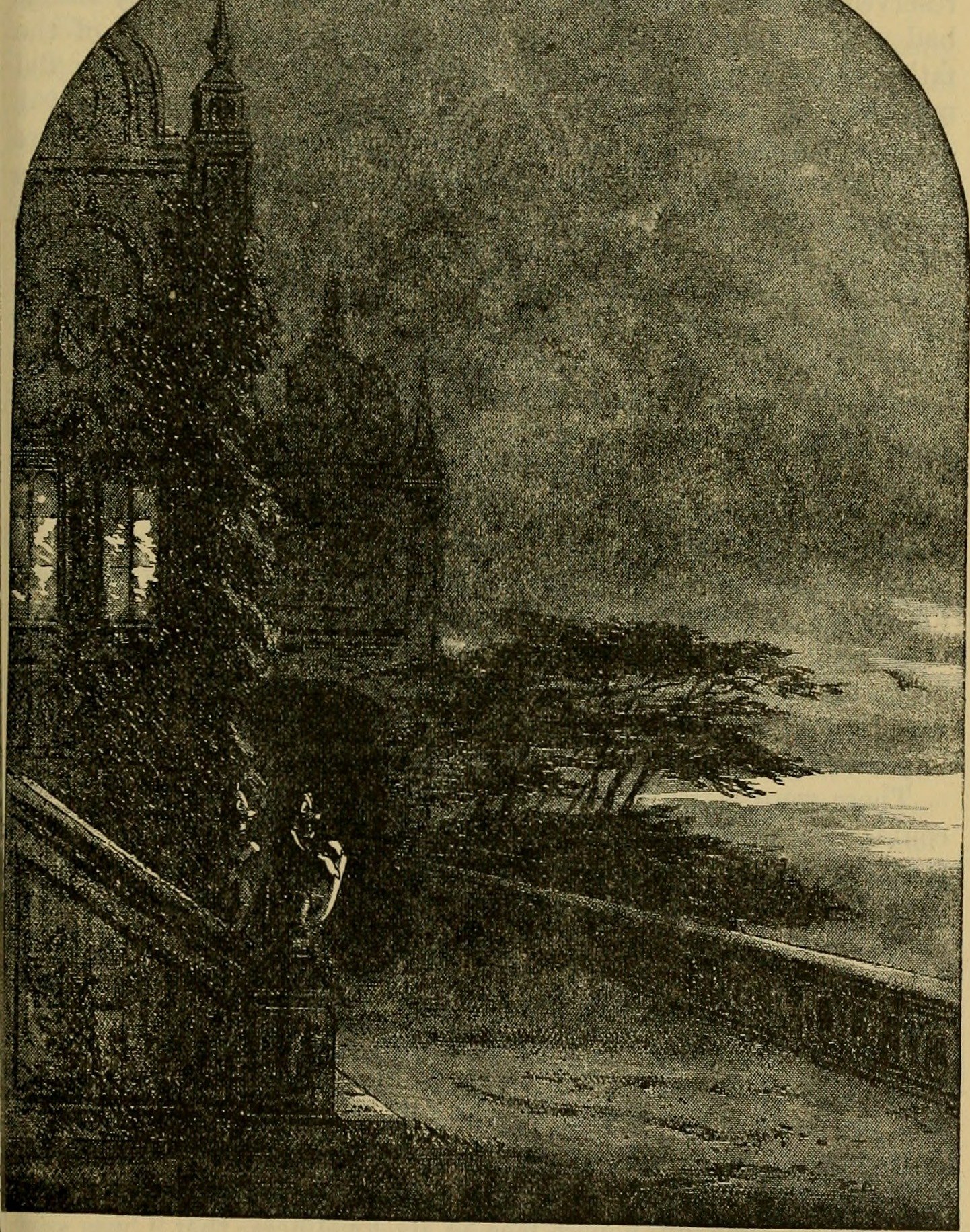
Bleak House (1895)
Bleak House, published in 1852-1853, is by many considered his greatest novel. While opinions on this matter differ, it is certainly one of his longest and most complex. The main plot deals with the court case Jarndyce and Jarndyce in the Court of Chancery. This absurd case exists because of several conflicting wills; consequently, it drags out forever. The novel is a critique of the inefficiency of the English Chancery court system.
David Copperfield
David Copperfield (1849-1850) is one of his most beloved novels. Parts of it are autobiographical, and it was his personal favourite. Like Oliver Twist, it is a coming-of-age story; at the same time, his famous critique of the Victorian society is present throughout.
Hard Times
A lesser-known novel is Hard Times (1854). In it, he describes the conditions of the working class and the consequences of industrialisation in cities. Though it is not as acclaimed as the other novels on this list, I believe it is worth mentioning due to its rich descriptions of the industrial cities, and how it discusses the consequences of the Industrial Revolution.
A Tale of Two Cities
A Tale of Two Cities (1859) – another famous novel – takes place both in London and Paris at the time of the French Revolution. The novel talks about the terrible conditions that led to the French Revolution and the Reign of Terror that came afterwards.
Great Expectations
Another well-known novel, Great Expectations (1861), follows the orphan Pip, who falls in love with the cold and beautiful Estella. Pip grows up poor, but later in the story he receives money from an anonymous source, which makes it possible for him to live as a gentleman. The novel deals with the themes of love versus rejection and wealth versus poverty.
5. Social Commentator
Dickens’ unlucky childhood experiences led to a lifelong support of the poor. Eager to see a change, he poured a lot of effort into his journalistic writings, thinking they would sway public opinion. However, it wasn’t so much his journalism as his fiction that brought about this sorely needed change.
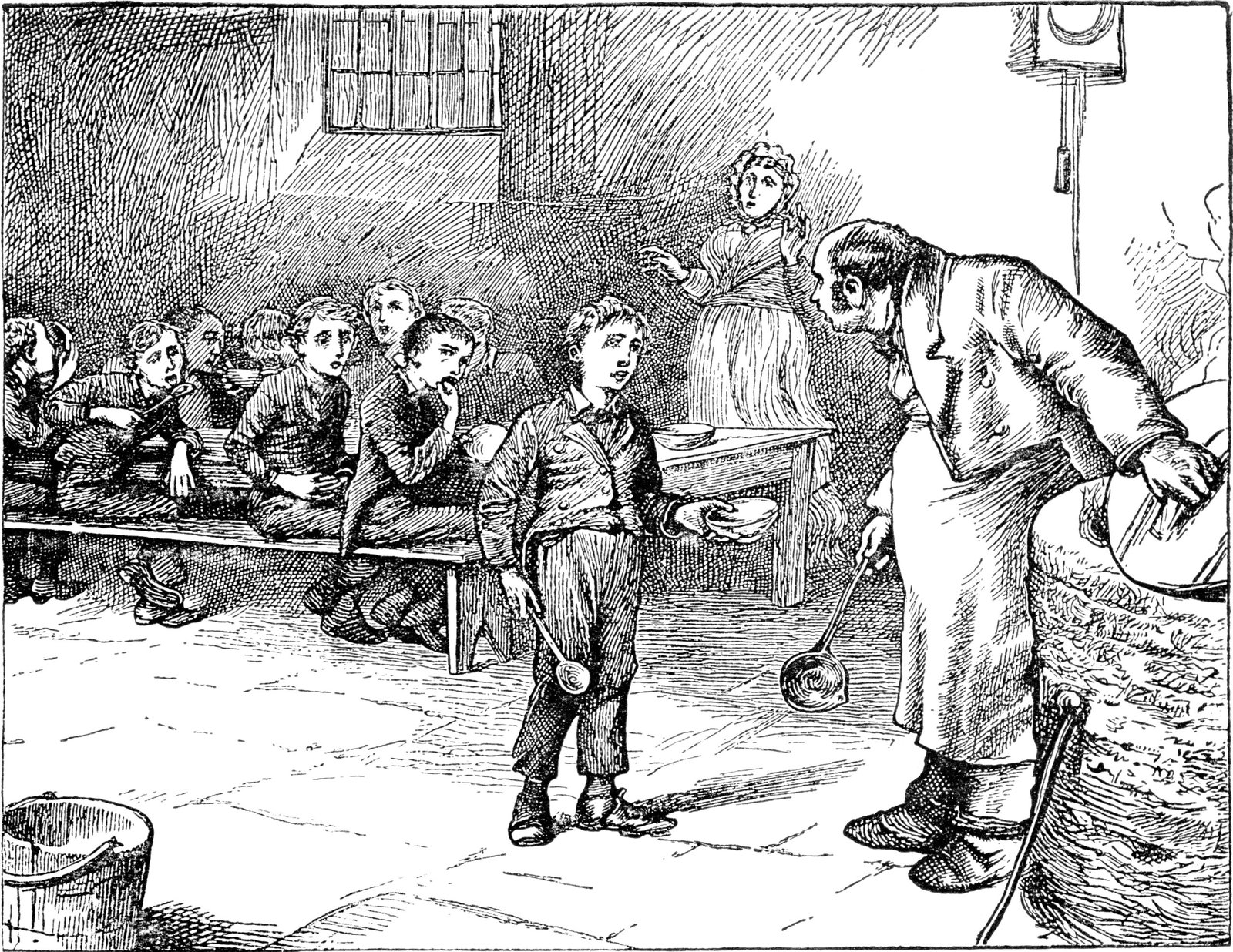
Oliver Twist. James Mahoney (1810-1879)
The Victorians, like ourselves, were so often presented with news and statistics of deaths and disease that it tended to numb them. His novels, on the other hand, really touched people’s hearts with their descriptive passages of the miserable conditions endured by the poor. His stories made the public aware of the other side of the prosperous industrialised world and forced the Victorians to confront injustices that had been left unaddressed until that point. What’s more, his writings inspired many others, such as journalists and politicians, who then advocated for change.
6. Affair and Failed Marriage
However, the compassion Dickens felt for the poor and the needy didn’t extend to his wife. In 1857 his marriage was strained, and his attitude towards his middle-aged wife was hostile. He considered her corpulent and complained about her lack of energy. After 10 children, this is hardly surprising.
The culmination came when he hired a few actresses for a play he had co-written with Wilkie Collins called The Frozen Deep. One of them, Ellen Ternan, caught his eye, and he fell in love with her. At this time, Ellen was only 18, while Dickens himself was a middle-aged man of 45. Divorce was at this time unthinkable, especially given his status.
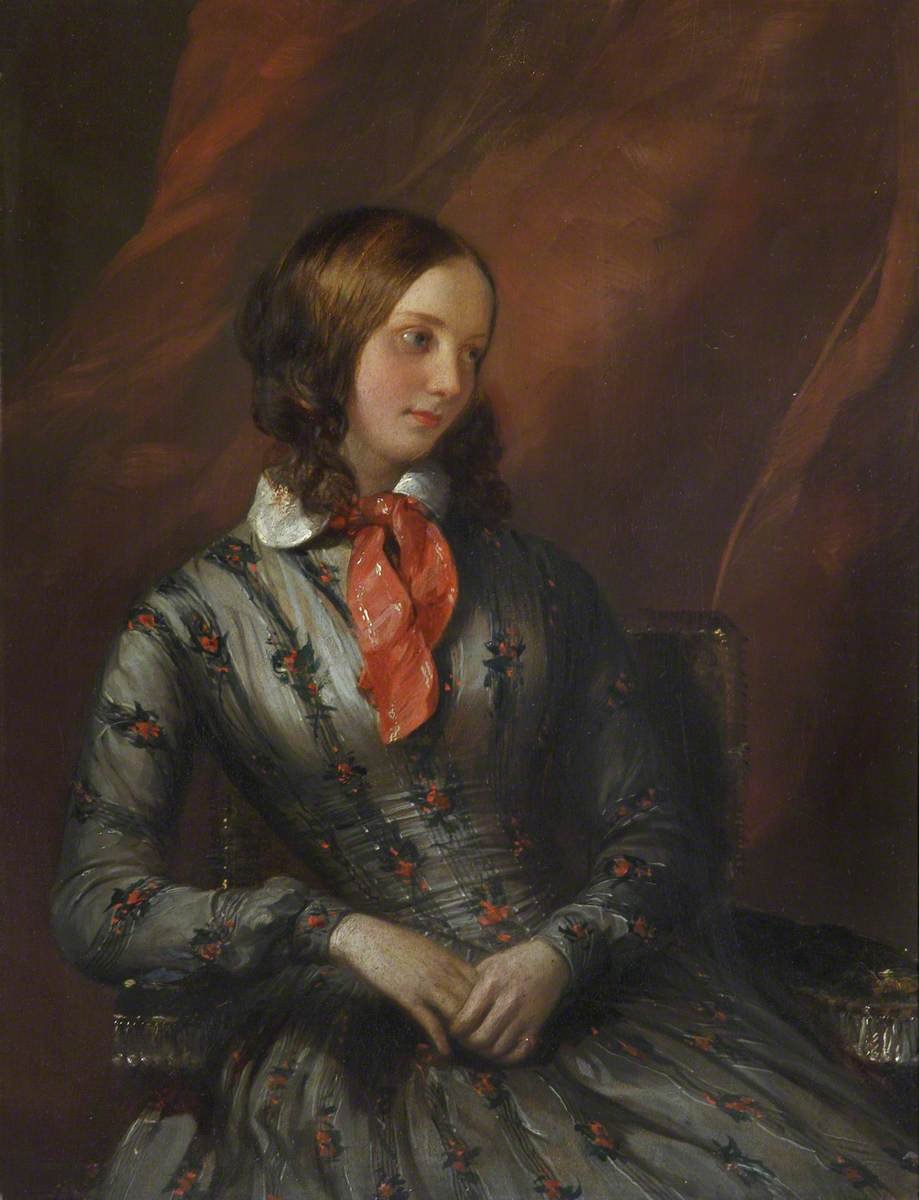
Catherine Dickens (1815–1879), Charles Dickens Museum
Dickens made an attempt to accuse Catherine of lunacy and neglect of the children, hoping that this would get her locked into an institution. When this didn’t succeed, he separated from her. Catherine left their home together with their oldest son. The rest of the children stayed at Gads Hill (their home) with the father, as was the custom in Victorian times. Strangely enough, Georgina – Catherine’s sister – supported Charles in the separation, and stayed at Gads Hill to raise the children. The separation was a great scandal, and many fellow writers publicly showed their disgust, such as Elizabeth Barrett Browning.
Why Georgina and later his children took Dickens’s side in the conflict, we can only speculate. What is clear is that Dickens acted in a less than noble way when separating from his wife and exposing her to public humiliation.
7. Fun Facts
Nighttime Strolls
Dickens was an obsessive walker, who even walked great distances at night while suffering from insomnia. He was actually fond of these nighttime walks, which are vividly described in his essay “Night Walks”. It was during these strolls that many of his stories were formed, along with his vivid descriptions of the dark alleys.
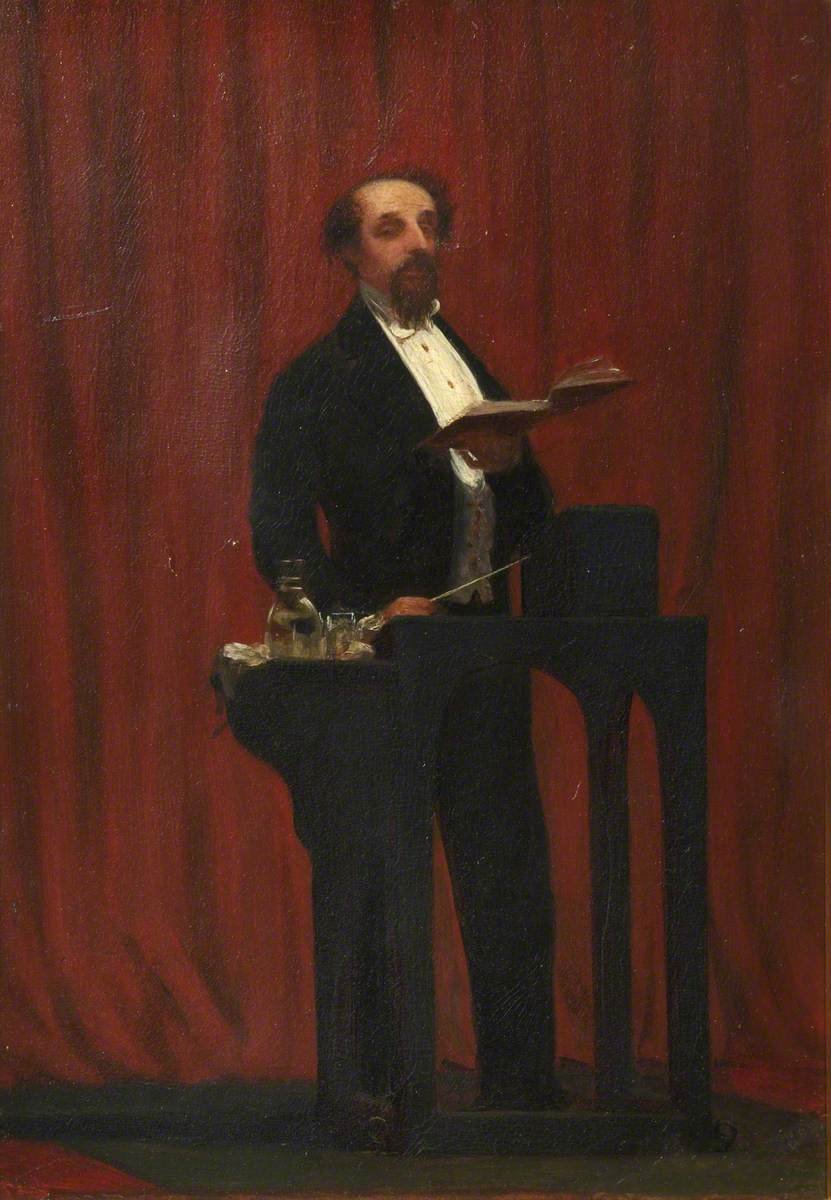
Charles Dickens Giving a Public Reading. Charles Dickens Museum
Public Readings
Dickens loved performing in public and went on a series of paid reading tours. Soon he discovered that he could earn more from his readings than from his writings, as people were prepared to pay generously to hear him read. It is also easier to perform the same reading again and again than to come up with ideas for a new book. As a lifelong lover of the theatre, he loved performing and cherished the opportunity it afforded him to give life to his works. Dickens had a talent for dramatisation and made good use of his voice. Soon, people flocked to these readings, and the buzz at these events can be compared to that of our modern-day pop stars.
The Mystery of Edwin Drood
Dickens died before finishing his novel The Mystery of Edwin Drood. This book differs from his other works in its dark and gothic style. The story revolves around John Jasper, who is a choirmaster addicted to drugs.
8. Legacy and Relevance Today
Dickens’ influence on English literature is immense. In terms of contribution to the English canon, he is sometimes compared to Shakespeare.
Several festivals in honour of Dickens are held every year, not only in the UK but also in the US and other places such as Deventer in the Netherlands.
He reached celebrity status during his lifetime, and his stories were loved both by the elite and the poor. The serial format appealed to the lower classes, who could also relate to the characters. Moreover, technological developments made it possible for him to reach a wide audience in a very short time.
So, why is Dickens still so widely read and loved today? The reasons for his enduring popularity are many, but basically; I think it comes down to three things: captivating settings, unforgettable characters, and enduring themes.
Dickens infused his settings with life that often took on a personality themselves. One example is how he likens the factory smoke to a serpent in Hard Times. This painted a very vivid picture of the horrors of the industrial cities.
Cruel wealthy individuals, struggling working-class and poor people can still be found in today’s society, and so can certain characters.
Dickens has been especially influential in how we perceive and celebrate Christmas. He made us forever associate Christmas with family gatherings, games, good food and generosity. Kindness is a recurring theme in his books.
People still love his stories, and many still read them. Although his writing style can be challenging for a contemporary reader, he continues to draw fans from all over the world.
If you haven’t yet read any of his works, I encourage you to do so. With the upcoming holiday season, why not read A Christmas Carol?
Photo Attributions:
Charles Dickens portrait c1860s restore. Unattributed, Public domain, via Wikimedia Commons
Charles Dickens. After Robert Seymour (d. 1836), Public domain, via Wikimedia Commons
Mrs Bardell faints into the arms of Mr Pickwick – illustration by Hablot Knight Browne (1815-1882). Hablot Knight Browne (1837), Public domain, via Wikimedia Commons
Bleak House (1895). Internet Archive Book Images, No restrictions, via Wikimedia Commons
Oliver Twist. James Mahoney (1810-1879), Public domain, via Wikimedia Commons
Catherine Dickens (1815–1879) – Charles Dickens Museum. Frank Stone (1800-1859), Public domain, via Wikimedia Commons
Charles Dickens Giving a Public Reading – Charles Dickens Museum. Robert Hannah, Public domain, via Wikimedia Commons
Leave a Reply